
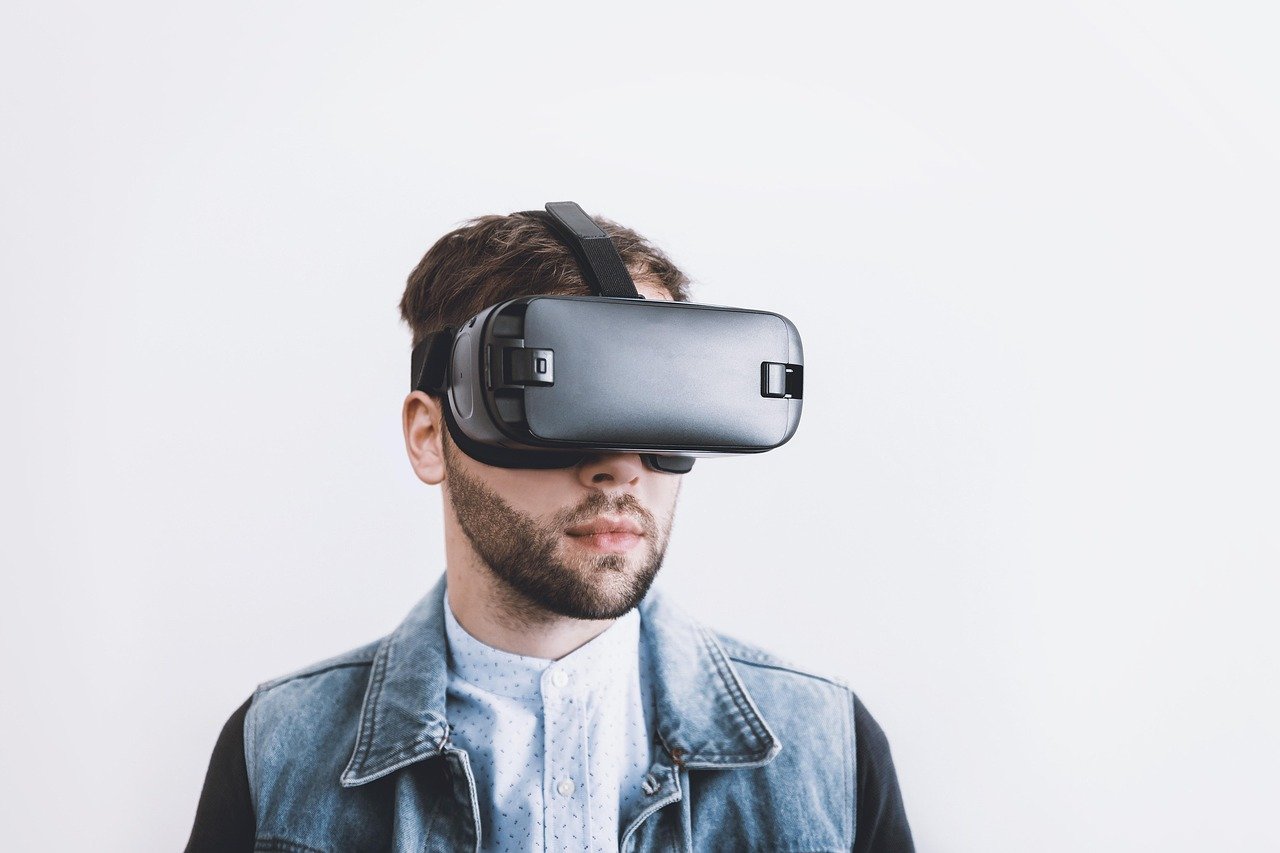
From the songs we hum to the memes we share, the clothes we wear to the shows we binge-watch, pop culture is the invisible thread weaving through our daily lives. It’s the shared language of a generation, a dynamic mirror reflecting our values, aspirations, and anxieties. Far from mere triviality, understanding popular culture offers profound insights into societal shifts, technological advancements, and the very fabric of human connection. In an increasingly interconnected world, where trends go viral in an instant and global communities form around shared interests, grasping the nuances of pop culture is not just entertaining – it’s essential.
What is Pop Culture? Defining the Phenomenon
Pop culture, short for “popular culture,” encompasses the attitudes, ideas, images, and other phenomena that are prevalent within a society at a given time. It’s the mainstream, the “of the moment,” and often driven by mass media. While its definition can seem fluid, its presence is undeniable, shaping how we see ourselves and interact with the world.
Evolution of the Term
- Originally associated with lower-class entertainment in contrast to “high culture” (art, opera).
- Post-WWII, with the rise of mass media (TV, radio), it became synonymous with products consumed by the masses.
- Today, it’s a dynamic, global phenomenon, often democratized by digital platforms.
Key Characteristics of Popular Culture
- Accessibility: Widely available and easily consumed by a broad audience.
- Temporality: Often fleeting, characterized by trends that emerge and fade.
- Commodification: Frequently tied to commercial products, brands, and marketing.
- Reflective & Shaping: Both reflects existing societal values and actively shapes new ones.
- Global Reach: Digital media allows local trends to become global sensations overnight.
Components of Modern Pop Culture
Pop culture is a vast ecosystem comprising various elements:
- Entertainment: Film, television shows, music, video games, streaming content.
- Fashion & Style: Clothing trends, hairstyles, celebrity influence on aesthetics.
- Digital & Social Media: Memes, viral challenges, influencer content, TikTok trends.
- Technology: Gadgets, apps, communication platforms that become part of daily life.
- Sports: Major sporting events, celebrity athletes, fan culture.
- Food & Drink: Trendy diets, specific restaurant experiences, viral recipes.
Actionable Takeaway: To truly understand pop culture, look beyond surface trends. Consider the underlying societal values or technological shifts that allow specific phenomena to gain widespread traction.
The Driving Forces Behind Pop Culture Trends
Pop culture doesn’t just appear; it’s a complex interplay of various forces. Understanding these drivers helps us anticipate new trends and critically analyze their significance.
Technology and Social Media
The internet and social media platforms are perhaps the most significant accelerants of pop culture today. They provide instantaneous global reach and foster direct engagement.
- Viral Content: Memes, challenges (e.g., Ice Bucket Challenge), and short-form videos (TikTok) spread globally in hours.
- Streaming Services: Platforms like Netflix and Spotify have revolutionized content consumption, enabling binge-watching and personalized music discovery, creating global fan bases for specific shows or artists.
- Democratization of Creation: Anyone with a smartphone can become a content creator, challenging traditional gatekeepers.
Globalization and Accessibility
Barriers of geography and language are diminishing, allowing cultural products to transcend borders.
- K-Pop’s Global Dominance: Groups like BTS and Blackpink have leveraged social media and highly produced content to build massive international fan bases, demonstrating the power of global appeal.
- International Film & TV: Non-English language productions (e.g., Squid Game, Money Heist) are now global blockbusters, introducing diverse narratives to wider audiences.
Economic and Social Shifts
Broader societal changes often fuel specific pop culture trends.
- Economic Conditions: During recessions, escapist entertainment often thrives. Conversely, periods of prosperity might see trends favoring luxury or experiential consumption.
- Social Justice Movements: Pop culture frequently becomes a vehicle for expressing and advancing social causes, with artists, films, and brands taking stances on issues like climate change or diversity.
Influencer Culture and Personal Branding
The rise of digital influencers has created new pathways for trends to emerge and propagate.
- Micro-Celebrities: Individuals with niche expertise or engaging personalities can command significant followings, driving fashion, beauty, or lifestyle trends among their dedicated audiences.
- Authenticity (Perceived): Influencers often succeed because their audience perceives them as more relatable or authentic than traditional celebrities, fostering stronger trust and engagement.
Actionable Takeaway: When a new trend emerges, ask yourself: What technology facilitated its spread? What global connection made it possible? What societal need or desire does it tap into?
The Impact of Pop Culture on Society and Individuals
Pop culture is more than just entertainment; it’s a powerful force that shapes our identity, influences our economy, and even impacts political discourse.
Shaping Identity and Community
Popular culture provides a framework through which individuals understand themselves and connect with others.
- Personal Identity: Our choices in music, fashion, and media consumption often become markers of who we are, influencing self-expression.
- Fan Communities: Dedicated fan bases (e.g., Trekkies, Swifties, ARMY) form strong communities, offering belonging, shared experiences, and even collective action. These communities can span continents, fostering a sense of global kinship.
- Role Models: Celebrities and fictional characters can serve as aspirational figures, influencing behaviors, values, and career paths.
Economic Influence and Consumerism
Pop culture is intrinsically linked to commerce, driving massive industries and consumer spending.
- Brand Partnerships: Brands heavily invest in aligning with popular culture through celebrity endorsements, product placements in hit shows, and viral marketing campaigns. Example: The surge in Crocs sales after being worn by celebrities and TikTok influencers.
- Merchandising: Franchises like Marvel or Star Wars generate billions through merchandise, from toys to clothing, demonstrating the economic power of beloved characters and narratives.
- Tourism & Events: Concert tours, film location tourism, and fan conventions are significant economic drivers, drawing millions globally.
Political and Social Commentary
Pop culture often serves as a critical lens through which society examines itself, sparking conversations about important issues.
- Satirical Shows: Programs like The Daily Show or Saturday Night Live use humor to critique political events and societal norms, influencing public opinion.
- Music as Protest: Artists frequently use their platforms to advocate for social change, whether through explicit lyrics or symbolic actions, influencing activism and awareness.
- Representation: The depiction of diverse characters and narratives in film and TV can challenge stereotypes, promote empathy, and advocate for marginalized groups, contributing to broader social acceptance and understanding.
Language and Communication
Pop culture continually refreshes our lexicon and communication styles.
- New Vocabulary: Memes, internet slang, and catchphrases from popular shows quickly enter everyday language (e.g., “OK boomer,” “it’s giving,” “rizz”).
- Shared References: Common pop culture references provide shortcuts in communication, fostering a sense of shared experience and cultural literacy.
Actionable Takeaway: Recognize that your consumption of pop culture isn’t passive. It actively shapes your identity, economic choices, and worldview. Be aware of the messages being conveyed and their potential impact.
Navigating and Engaging with Pop Culture
In an era of information overload and constant new trends, engaging with pop culture thoughtfully is more crucial than ever. It requires a blend of critical thinking and conscious participation.
Critical Consumption and Media Literacy
Develop the ability to analyze and evaluate the pop culture you consume.
- Question Narratives: Ask who created the content, what message they’re conveying, and whose perspective might be missing. For example, consider how different cultures are portrayed in Hollywood films versus independent international cinema.
- Identify Bias: Recognize that media, even entertainment, often carries biases – whether conscious or unconscious. Learn to distinguish fact from opinion, even in a comedy sketch.
- Understand Persuasion: Be aware of the marketing and persuasive techniques used in advertising and product placement within pop culture.
- Verify Information: Especially with social media trends or “news” stories originating from pop culture sources, always cross-reference with reliable sources.
Creating and Contributing
Pop culture is not just something to consume; it’s something you can actively shape and contribute to.
- Fan Creation: Participate in fan fiction, fan art, cosplay, or online discussions. This active engagement strengthens communities and allows for personal expression.
- Content Creation: Use platforms like YouTube, TikTok, or Instagram to create your own content, share your perspective, or join in existing trends with a unique spin.
- Advocacy: Leverage pop culture trends or platforms to support causes you believe in, joining conversations, or raising awareness through creative means.
Balancing Engagement and Well-being
While pop culture is engaging, it’s important to maintain a healthy relationship with it.
- Time Management: Be mindful of how much time you dedicate to consuming pop culture, especially passive activities like endless scrolling.
- Mental Health: Be aware of the potential negative impacts, such as comparing oneself to idealized celebrity images, or the pressure to keep up with every trend. Step back when needed.
- Diverse Consumption: Actively seek out a variety of voices, genres, and cultural perspectives to broaden your understanding and avoid echo chambers.
Actionable Takeaway: Don’t just consume pop culture passively. Engage with it critically, evaluate its messages, and consider how you can contribute to or responsibly interact with its dynamic landscape.
The Future of Pop Culture: What’s Next?
Pop culture is in a constant state of evolution. Looking ahead, several key trends are likely to shape its trajectory, driven by technological advancements and shifting societal priorities.
Metaverse and Virtual Experiences
The concept of the metaverse – persistent, shared 3D virtual spaces – promises to redefine how we experience and interact with pop culture.
- Virtual Concerts & Events: Artists like Travis Scott and Ariana Grande have already hosted successful virtual concerts within games like Fortnite, reaching millions. Expect more immersive and interactive experiences.
- Digital Fashion & Avatars: Virtual clothing and accessories for avatars will become a new frontier for personal expression and branding, driven by NFTs and blockchain technology.
- Immersive Storytelling: Films, games, and interactive narratives will converge in virtual environments, offering audiences unprecedented levels of participation.
Hyper-Personalization and Niche Fandoms
While global blockbusters will persist, algorithms and advanced analytics will enable even greater personalization, leading to the flourishing of highly specific niche fandoms.
- AI-Generated Content: Artificial intelligence may assist in creating personalized media experiences, from music playlists to story narratives tailored to individual preferences.
- Micro-Communities: The ability to connect with others who share even the most obscure interests will further fragment and enrich the pop culture landscape, moving beyond broad categories.
Sustainability and Conscious Consumption
As environmental awareness grows, pop culture will increasingly reflect and drive demand for sustainable practices.
- Ethical Fashion: Trends will favor brands that prioritize ethical sourcing, sustainable materials, and circular economy practices.
- Eco-Conscious Messaging: Entertainment content will more frequently incorporate themes of climate change and environmental responsibility, influencing attitudes and behaviors.
- Experiences over Products: A shift towards valuing unique experiences over accumulating material goods may become a more prominent pop culture trend.
The Blurring Lines: AI’s Role in Creation and Consumption
Artificial intelligence is set to become an even more integral part of both creating and consuming pop culture.
- AI-Assisted Creativity: AI tools will aid musicians, filmmakers, and designers in various stages of content creation, from generating ideas to editing and special effects.
- Personalized Recommendation Engines: AI will continue to refine content discovery, creating increasingly tailored feeds and suggestions for users across all media.
Actionable Takeaway: Stay curious about emerging technologies like the metaverse and AI. Consider how these tools might redefine what “culture” means and how you interact with it in the coming years.
Conclusion
Pop culture is a vibrant, ever-changing tapestry that reflects and shapes the world around us. Far from trivial, it’s a powerful indicator of societal values, technological progress, and global interconnectedness. From the fleeting viral meme to the enduring influence of a blockbuster franchise, understanding popular culture equips us with invaluable insights into human behavior, economic drivers, and social dynamics.
By engaging with pop culture critically, participating actively, and recognizing its profound impact, we can navigate its complexities and harness its power. As we look to the future, with the advent of the metaverse and advanced AI, pop culture promises to become even more immersive, personalized, and integral to our daily lives. Embracing this evolution with an informed and curious mind will be key to understanding ourselves and the communities we belong to in an ever-populating world.